
OEM Hot Tubs: Custom Manufacturing Solutions for Modern Spa Businesses
The global wellness and outdoor living industry has grown rapidly over the past decade, increasing the demand for high-quality hot tubs and spa systems. As more companies enter the market, many brands choose OEM manufacturing to create custom spa products under their own name. This approach allows businesses to offer unique products without building their own manufacturing facilities.
Today, oem tubs play an important role in the spa and wellness market. They provide flexibility, scalability, and product customization for companies that want to establish a competitive presence in the hot tub industry. From luxury spa brands to private-label outdoor wellness companies, OEM solutions are becoming increasingly popular worldwide.
In this article, we will explore what OEM hot tubs are, how OEM manufacturing works, the advantages of OEM partnerships, and why many businesses choose this production model.

What Are OEM Hot Tubs?
OEM stands for “Original Equipment Manufacturer.” In the hot tub industry, this means that one company manufactures spa products while another company sells them under its own brand name.
For example:
A factory designs and produces the hot tub
A separate company adds branding, packaging, and marketing
The final product is sold as the retailer’s or distributor’s own brand
This business model is widely used across many industries, including electronics, automotive manufacturing, and wellness equipment.
Why OEM Manufacturing Is Popular in the Spa Industry
OEM manufacturing offers several important advantages for businesses entering the hot tub market.
Lower Startup Costs
Building a hot tub manufacturing facility requires:
Specialized machinery
Skilled labor
Engineering teams
Production facilities
Quality control systems
OEM manufacturing allows companies to avoid these enormous initial investments.
Faster Market Entry
Instead of spending years developing production systems, businesses can launch products much faster through OEM partnerships.
Product Customization
Modern oem tubs can be customized according to:
Design
Size
Color
Jet systems
Lighting
Branding
This helps companies create unique product lines for different markets.
How OEM Hot Tub Manufacturing Works
The OEM process usually follows several key stages.
Product Design and Specifications
The client company provides:
Desired features
Technical requirements
Branding concepts
Target market information
The manufacturer then develops suitable production plans.
Prototype Development
Before mass production begins, a prototype is often created and tested.
This stage allows adjustments to:
Materials
Ergonomics
Performance
Aesthetics
Mass Production
Once approved, the manufacturer begins large-scale production.
OEM factories often specialize in:
Fiberglass shells
Acrylic surfaces
Jet systems
Heating systems
Electronic controls
Branding and Packaging
Finished tubs are customized with:
Logos
Labels
Packaging
Instruction manuals
The products are then shipped to distributors or retailers.
Types of OEM Hot Tubs
OEM manufacturers produce a wide variety of spa products.
Portable Hot Tubs
These are among the most common products in the market.
Features may include:
Plug-and-play systems
Massage jets
LED lighting
Digital controls
Luxury Spa Systems
Premium oem tubs often include advanced hydrotherapy features and high-end materials.
Swim Spas
Some OEM manufacturers produce larger hybrid systems that combine swimming and hydrotherapy.
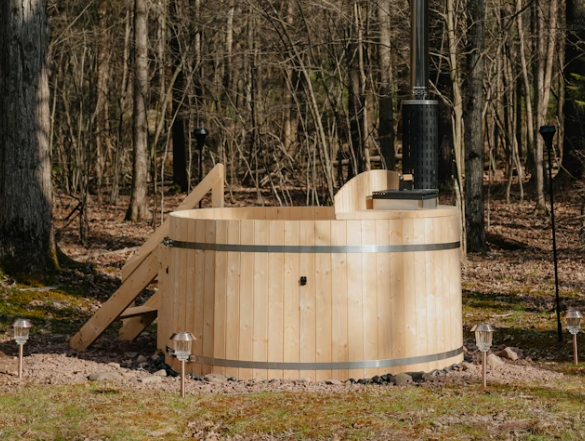
Wood-Fired Hot Tubs
Traditional outdoor spa systems are also increasingly available through OEM production.
Materials Used in OEM Hot Tub Production
Material quality significantly affects durability and customer satisfaction.
Fiberglass
Fiberglass is widely used because it is:
Durable
Lightweight
Water-resistant
Long-lasting
Acrylic
Acrylic finishes create smooth, glossy surfaces that are easy to clean.
Insulation Materials
High-quality insulation improves:
Energy efficiency
Heat retention
Winter performance
Stainless Steel Components
Premium OEM manufacturers use stainless steel for jets and internal components to increase durability.
Benefits of OEM Partnerships
Working with an experienced OEM manufacturer offers many advantages.
Professional Expertise
Experienced manufacturers understand:
Spa engineering
Water systems
Safety standards
Energy efficiency requirements
Scalability
OEM production allows businesses to scale operations as demand grows.
Focus on Branding and Sales
Instead of managing production, companies can focus on:
Marketing
Customer service
Distribution
Brand growth
Global Market Opportunities
OEM manufacturing makes it easier to supply products internationally.
Quality Control in OEM Hot Tub Production
Quality control is essential in the spa industry because hot tubs involve:
Water systems
Electrical components
Heating systems
Structural durability
Reliable manufacturers conduct extensive testing before shipping products.
Water Leak Testing
Each spa is tested to ensure there are no leaks.
Electrical Safety Checks
All electronic systems must meet safety standards.
Performance Testing
Jets, pumps, heaters, and controls are tested for proper functionality.
Customization Options for OEM Tubs
One major advantage of oem tubs is flexibility in customization.
Exterior Design
Clients can choose:
Cabinet materials
Colors
Surface textures
Interior Features
Customization may include:
Jet placement
Seating layouts
Lighting systems
Waterfalls
Technology Integration
Modern OEM spas often include:
Wi-Fi controls
Mobile apps
Smart heating systems
OEM Hot Tubs and Sustainability
Environmental awareness is becoming increasingly important in manufacturing.
Many OEM factories now focus on:
Energy-efficient heating
Eco-friendly insulation
Water-saving systems
Recyclable materials
Sustainable production methods can improve brand reputation and reduce operating costs.
Choosing the Right OEM Manufacturer
Selecting a reliable manufacturing partner is one of the most important business decisions.
Industry Experience
Companies should evaluate:
Years in business
Manufacturing capacity
Previous projects
Certifications
Reliable manufacturers should comply with international safety and quality standards.
Production Capabilities
It is important to verify whether the manufacturer can handle:
Large orders
Product customization
International shipping
Communication and Support
Strong communication improves project efficiency and reduces misunderstandings.
Challenges in OEM Hot Tub Manufacturing
Although OEM production offers many advantages, there are also challenges.
Supply Chain Issues
Material shortages or shipping delays can affect production schedules.
Quality Consistency
Maintaining consistent quality across large production volumes is critical.
Brand Competition
Many companies may use similar OEM suppliers, making branding and differentiation extremely important.
The Future of OEM Hot Tubs
The demand for wellness products continues growing worldwide, and OEM manufacturing is expected to expand further.
Future trends may include:
Smarter spa technology
Improved energy efficiency
Sustainable materials
Personalized wellness features
As outdoor living and home wellness become more popular, OEM manufacturing will likely remain a major part of the global spa industry.
Conclusion
OEM hot tubs provide an efficient and flexible solution for businesses looking to enter or expand in the spa market. By partnering with experienced manufacturers, companies can create customized, high-quality products without the enormous investment required for independent production facilities.
Modern oem tubs offer excellent opportunities for branding, innovation, and international growth. With the right manufacturing partner, businesses can deliver durable, energy-efficient, and visually appealing spa systems that meet the growing demand for outdoor wellness and relaxation products.